
Field notes for a better fence brief.
Original guides on fence materials, equipment, access, maintenance and contractor project publishing.
Sixteen new practical guides, published October 18, 2026, plus the two retained and corrected legacy articles. By LSFence.ca editorial. Site-specific design, safety and scope decisions require the relevant contractor or specialist.
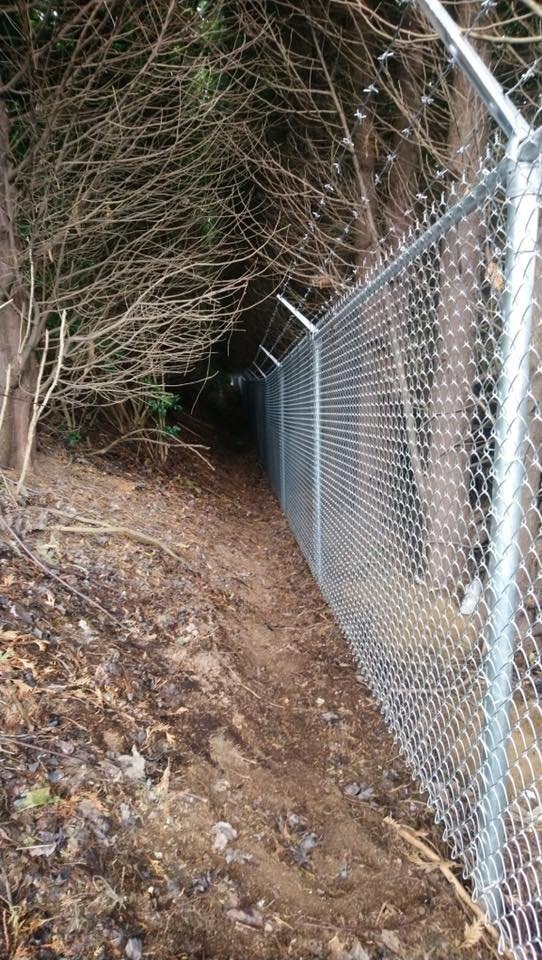
Read a chain-link specification before choosing a finish
A fence is an assembly, not just a roll of mesh. Two fences can look similar from the road yet use different fabric, posts, fittings and gate hardware. A short written specification gives the owner and installer a shared description of what is being priced.
Explore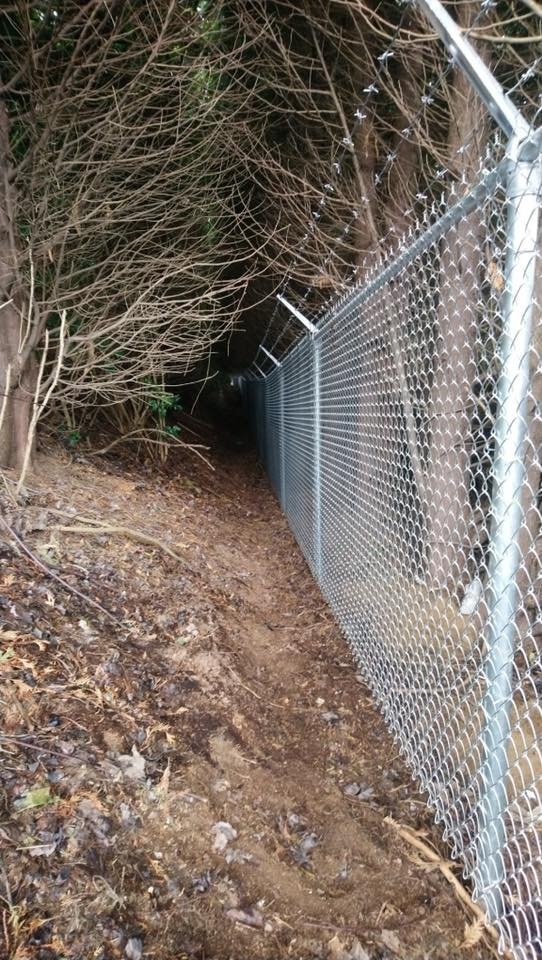
Why the ends and corners deserve their own fence plan
Straight fence length is easy to count. The ends, corners and gate openings need a separate look because they define how the line is laid out and supported. A useful site sketch names these points before materials are ordered.
Explore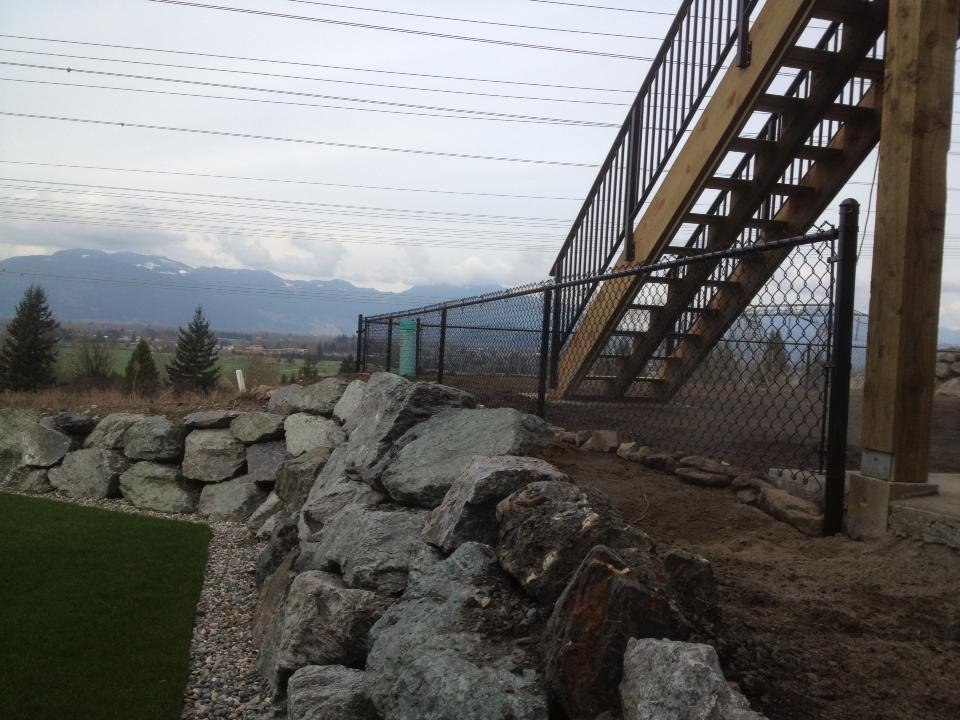
Plan the bottom of a fence as carefully as its top
On changing ground, the important question is not only whether the top line looks tidy. The space beneath the fence and the way gates move matter just as much. Start by explaining what the fence must contain or separate.
Explore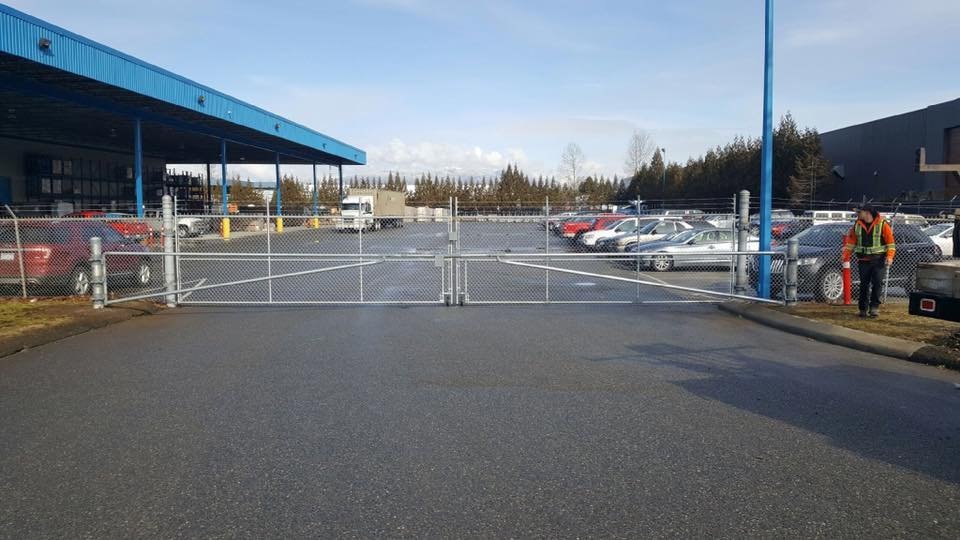
Three measurements a gate enquiry should explain
A gate request needs more than a width. The useful opening, the space available for the gate to move, and the ground through that movement all affect the proposal. A few clear photographs help connect those measurements.
Explore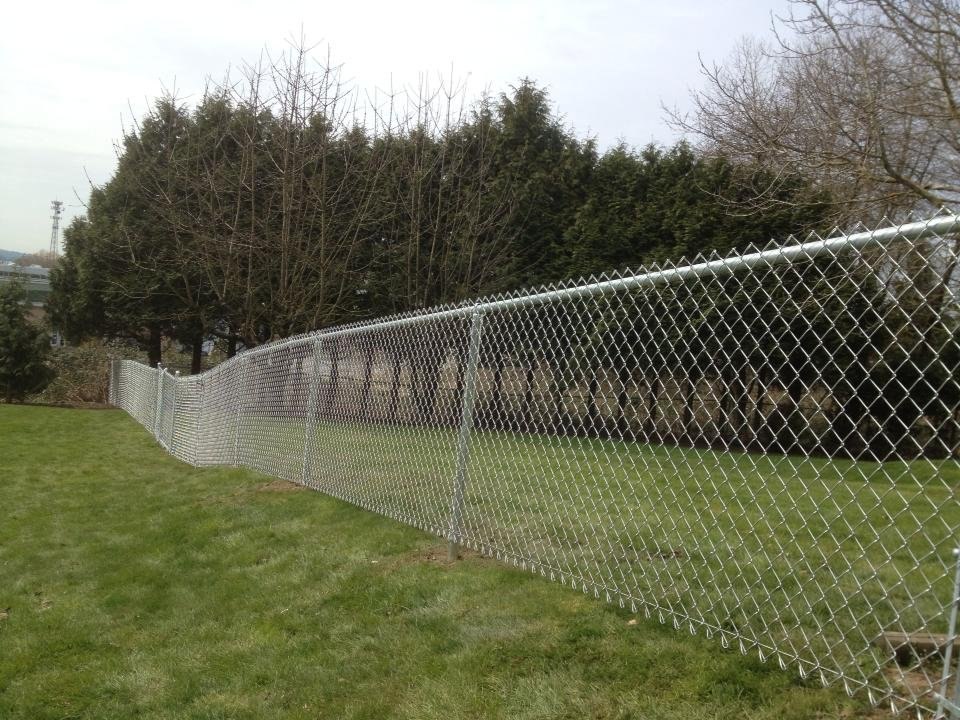
Write a pet-containment brief that goes beyond fence height
A yard fence should be discussed around the animal and the household routine. Height is one part of that conversation, but gaps, gate habits and nearby objects can be just as important. No photograph can establish that a fence will contain every pet.
Explore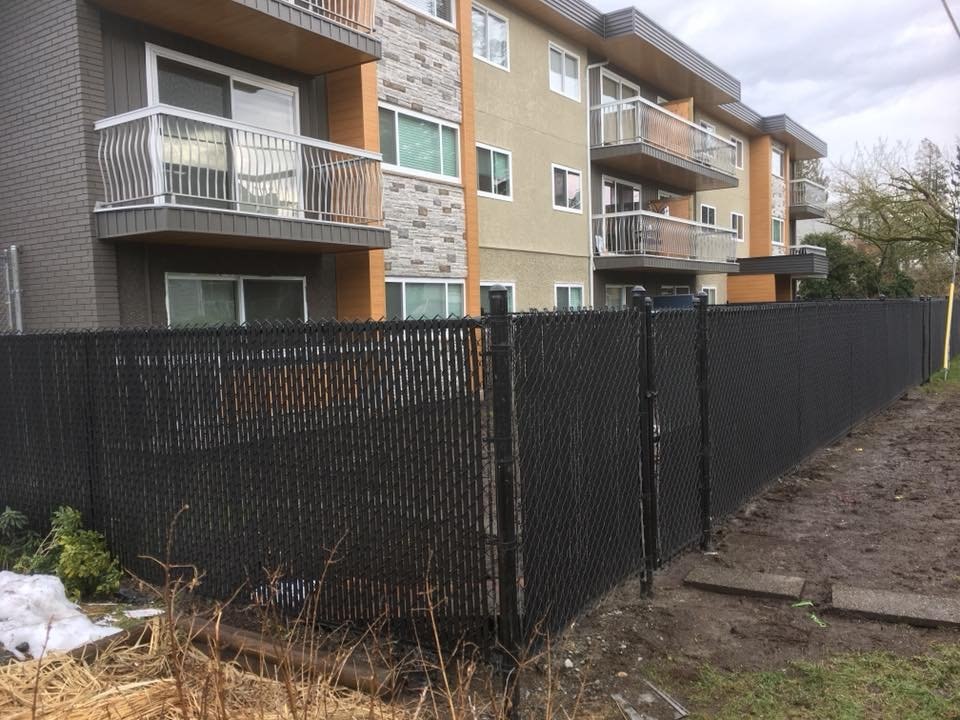
Privacy slats change more than the view
Privacy slats can make chain link feel more enclosed, but adding coverage also changes how the assembly interacts with wind. Treat screening as a design decision rather than an accessory that automatically suits any existing fence.
Explore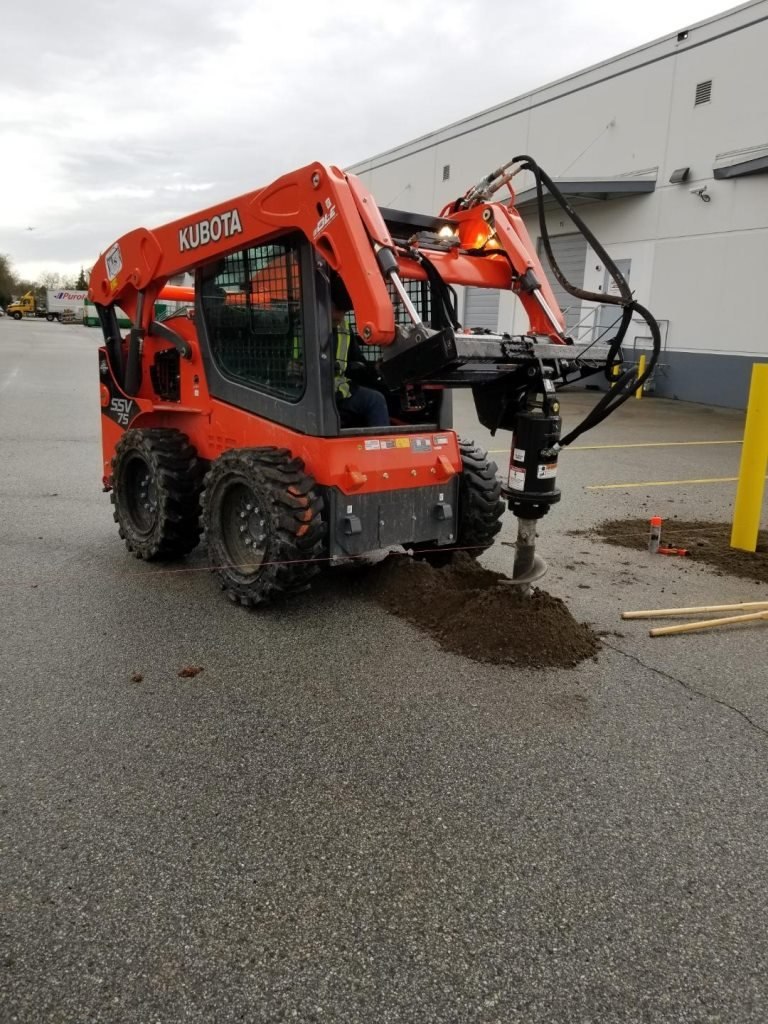
What belongs in a fence-removal scope
Replacing a fence involves two projects: removing what is there and building what comes next. Describing only the new fence can leave old posts, vegetation, buried material and access unanswered. Put the removal scope beside the installation scope.
Explore
Make room for the work before the crew arrives
Equipment can improve access to a post line only when it can reach the work area. A narrow side passage, overhead obstruction or soft surface may change the installation method. Early access information makes the site visit more productive.
Explore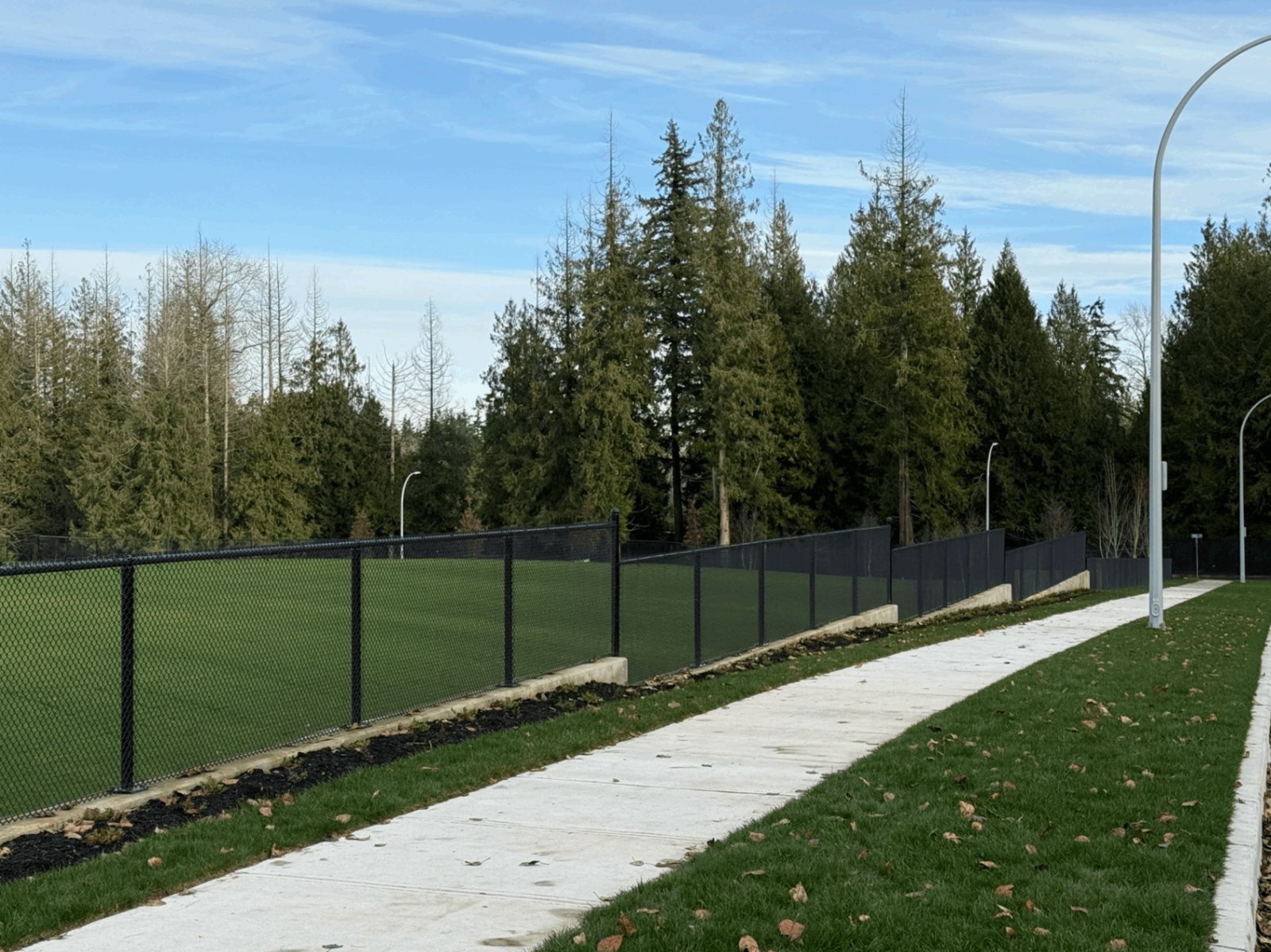
Photos that help explain fence damage
A useful repair enquiry shows the whole situation before the close-up. It helps the contractor distinguish a small fabric issue from a problem involving posts, rails, ground movement or a gate. Photographs support triage; they do not replace an inspection.
Explore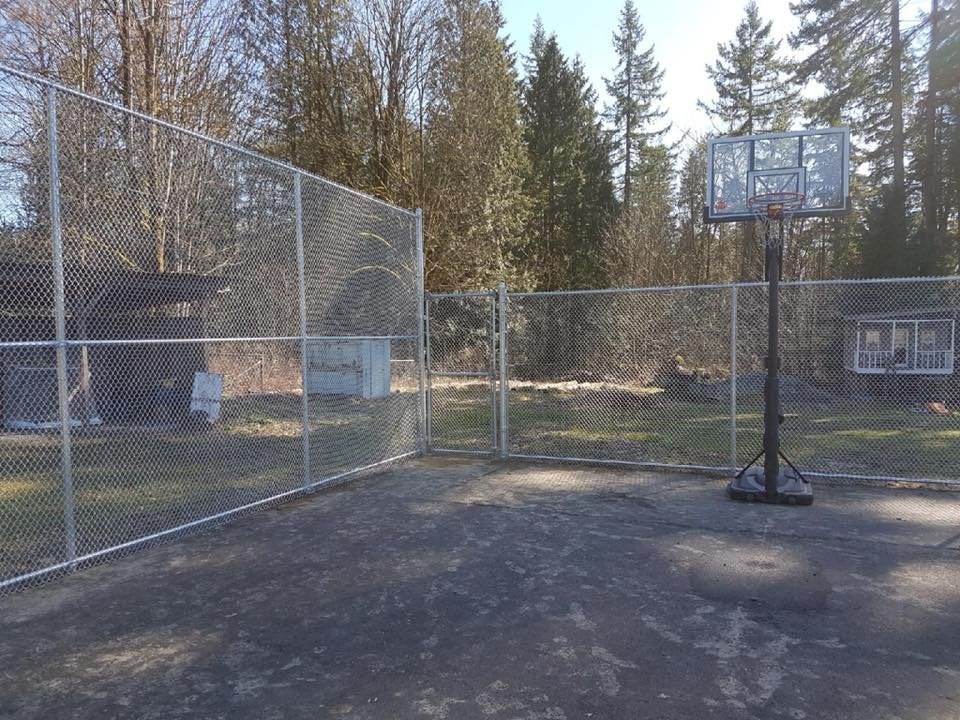
Build a useful fence handover record
The day a fence is finished is the easiest time to record what was installed. A concise handover file helps the owner operate gates, arrange maintenance and explain a later repair. It should describe the actual completed work.
Explore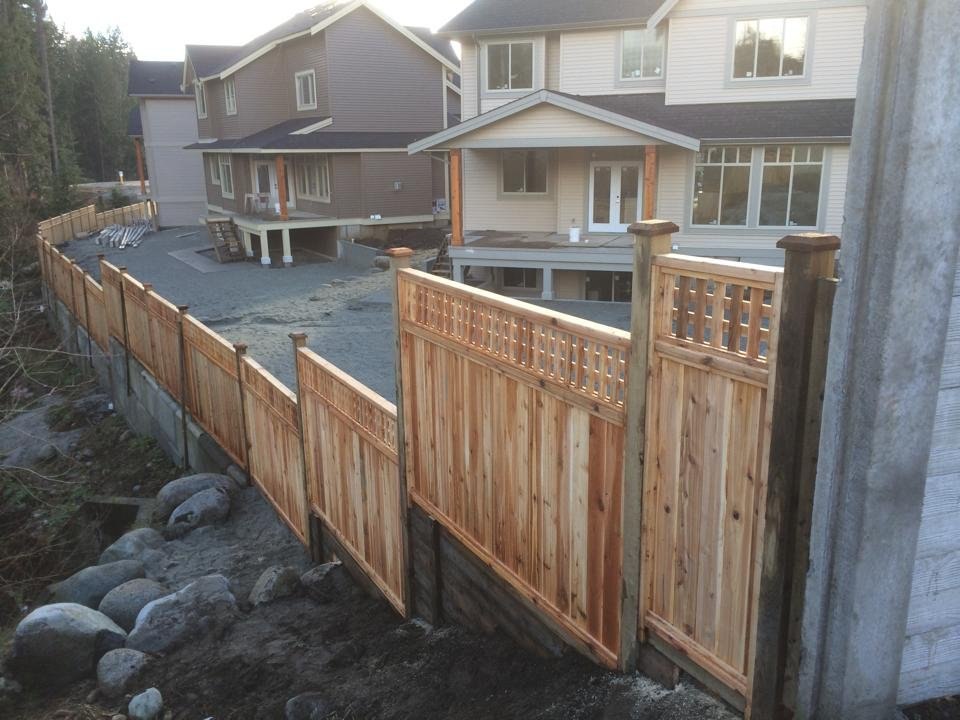
A seasonal walk around the fence line
A short, consistent inspection can reveal changes before a gate becomes difficult to use or a small opening is overlooked. The aim is observation, not an invitation to repair an unstable structure without the right equipment.
Explore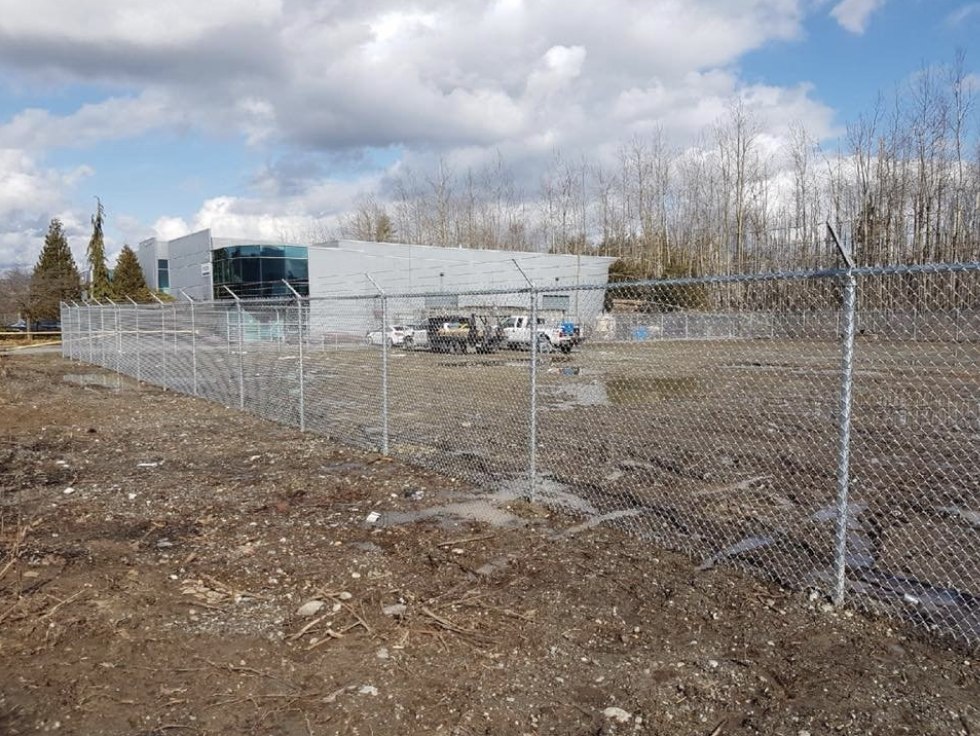
Describe the traffic before specifying a yard gate
A commercial gate sits inside a working route. Delivery vehicles, employee access, bins and emergency arrangements may all use the same opening. A traffic brief helps the contractor understand the operating problem before selecting an arrangement.
Explore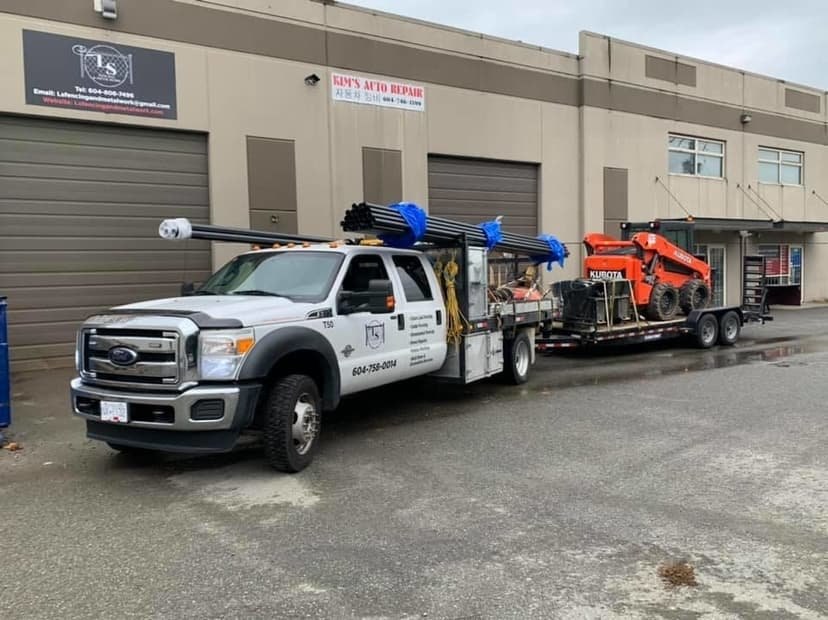
Sequence fence work around the rest of the project
A fence line can be affected by grading, paving, planting and equipment deliveries. Scheduling it in isolation can create avoidable rework. A simple sequence identifies what must be settled before the installer orders materials or disturbs the ground.
Explore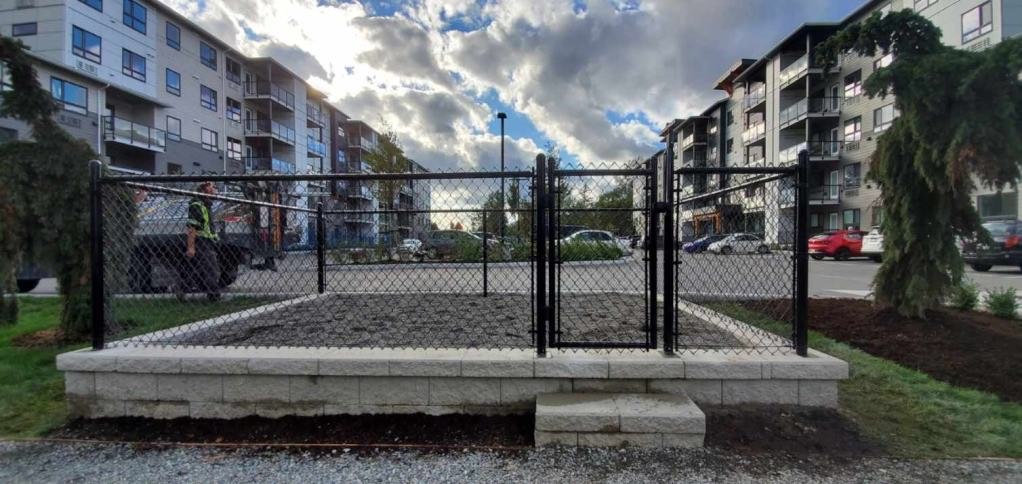
A useful first-site-visit brief
The first visit works best when the owner can explain the intended result and the uncertainties. You do not need a finished technical design. A clear brief helps the contractor ask better questions and identify what still needs checking.
Explore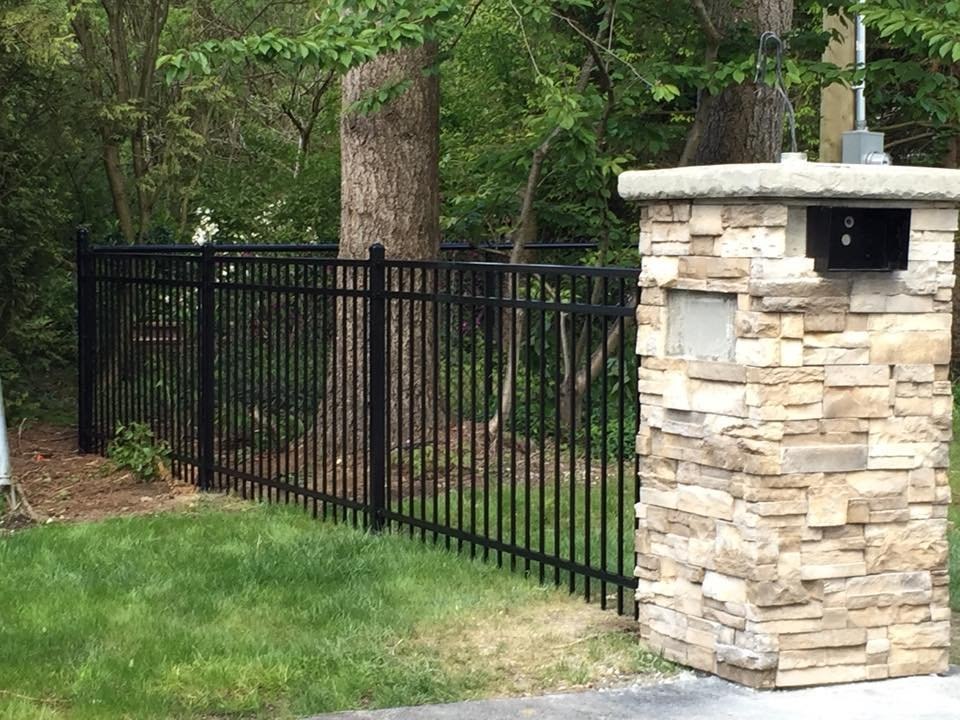
Better project captions without exposing the customer
A good project caption explains the work visible in the photograph. It does not need a customer’s house number, private schedule or exaggerated performance claim. Useful, accurate detail makes a contractor portfolio easier to understand.
Explore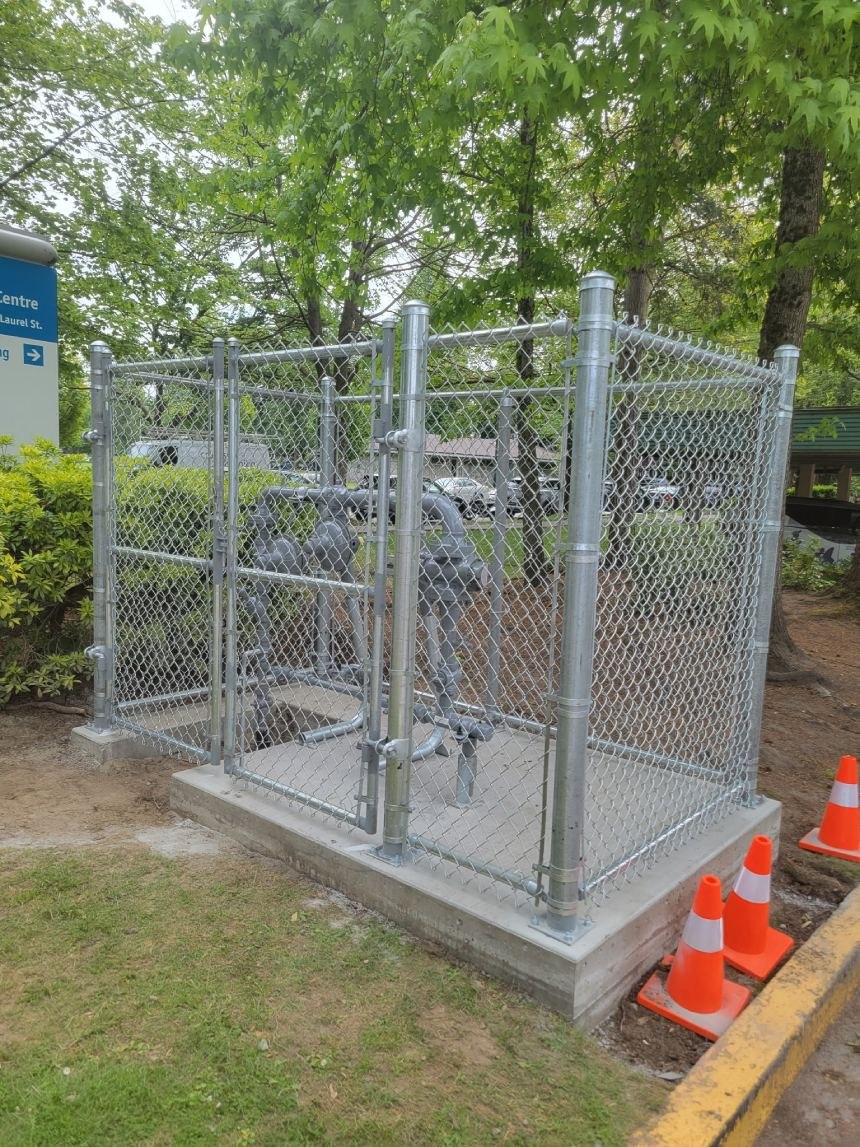
Keep multi-site fence purchases consistent
When several locations need fencing, a shared specification can reduce confusion. Consistency does not mean pretending every site has the same ground, access or operating needs. Separate the repeatable product requirements from the exceptions each location must resolve.
Explore