
Photos that help explain fence damage
A useful repair enquiry shows the whole situation before the close-up. It helps the contractor distinguish a small fabric issue from a problem involving posts, rails, ground movement or a gate. Photographs support triage; they do not replace an inspection.
The practical starting point
A useful repair enquiry shows the whole situation before the close-up. It helps the contractor distinguish a small fabric issue from a problem involving posts, rails, ground movement or a gate. Photographs support triage; they do not replace an inspection.
Take one wide view
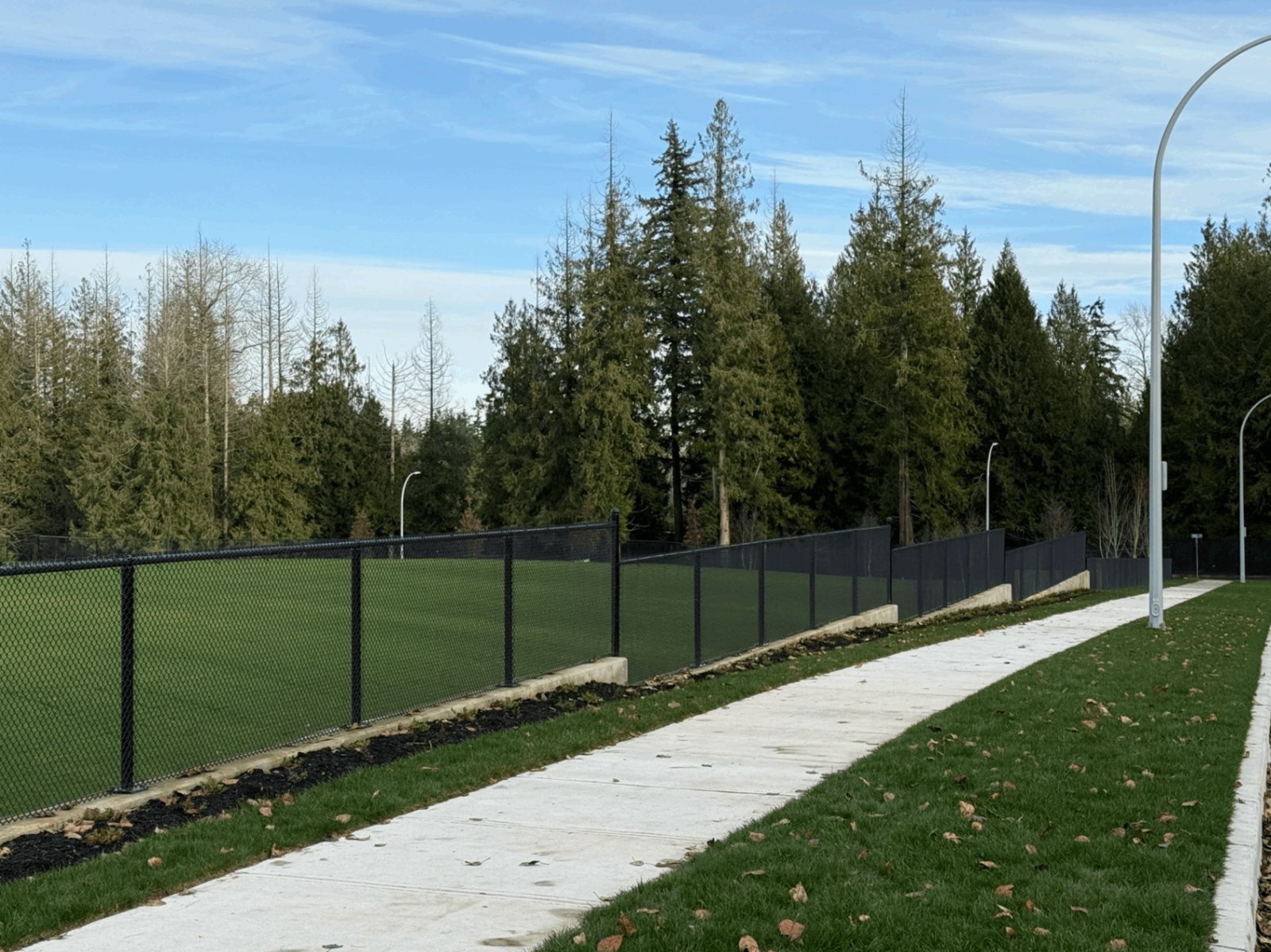
Stand somewhere safe and show the affected run with its ends and nearby opening. Include an unaffected section for context. Explain what happened if known, but separate what you saw from a suspected cause. Avoid climbing a damaged structure or approaching an unstable gate to get a better picture.
Add the connections
From a safe position, photograph the post base, rail connection, fabric edge and relevant latch or hinge. A close-up without context can hide the extent of movement. If dimensions are useful, add a rough measurement in the message rather than placing yourself next to a dangerous assembly.
Protect people and privacy
Keep children, private paperwork, house numbers and licence plates out of shareable photographs where possible. Send precise access details privately to the contractor. State whether the opening is currently secured and whether immediate site attendance is being requested; a sent email is not confirmation of a response time.
Keep this in your brief
- Wide context view
- Safe connection and ground-level details
- Known event and current access condition
- Private contact and location details sent directly
Discuss the actual site and proposed assembly with LS before ordering or changing an existing fence.
Discuss your fence plan