
Keep multi-site fence purchases consistent
When several locations need fencing, a shared specification can reduce confusion. Consistency does not mean pretending every site has the same ground, access or operating needs. Separate the repeatable product requirements from the exceptions each location must resolve.
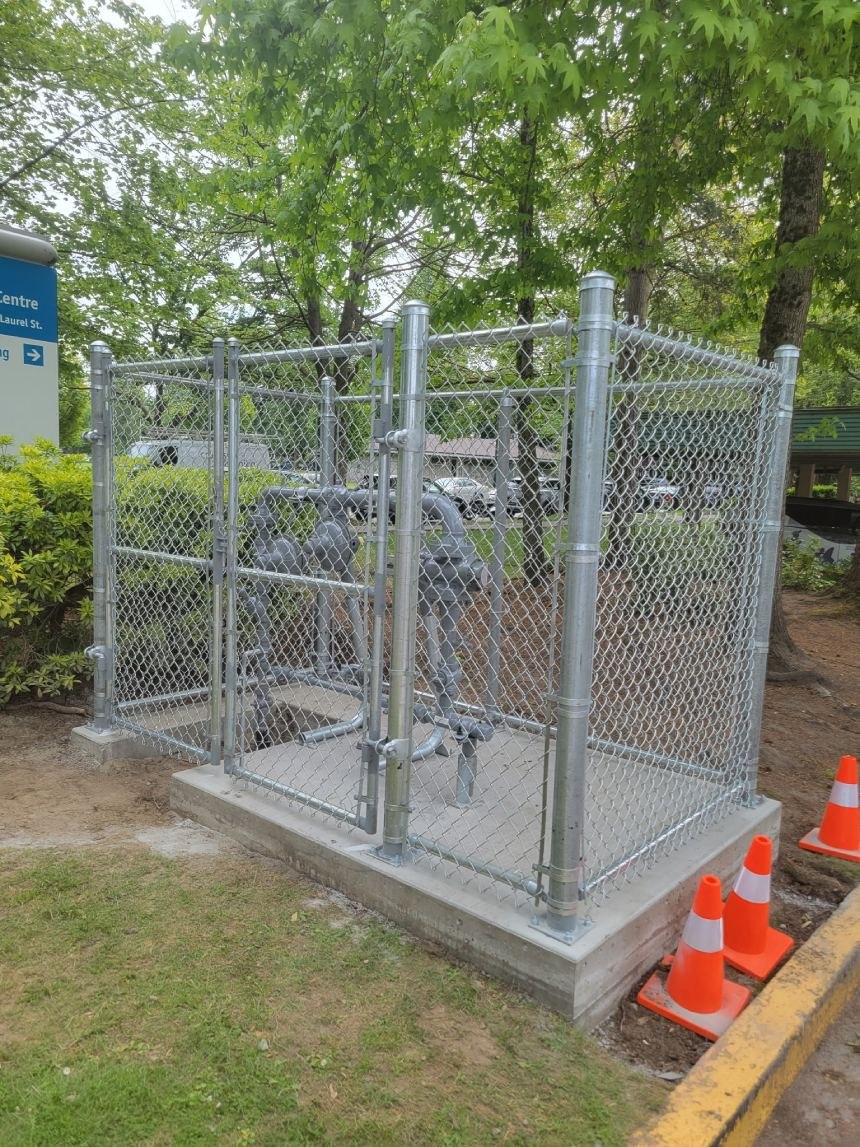
The practical starting point
When several locations need fencing, a shared specification can reduce confusion. Consistency does not mean pretending every site has the same ground, access or operating needs. Separate the repeatable product requirements from the exceptions each location must resolve.
Define the common assembly
Record the intended fabric, framework, finish and gate-hardware descriptions in a controlled document. Use drawings or product references where available. A colour and height alone leave too much room for interpretation. Identify who can approve changes so different locations do not quietly drift into different specifications.
Create a site exception sheet
For each location, record grades, access restrictions, utility coordination and unusual openings. Keep engineering or authority requirements with the relevant site rather than implying a generic standard covers them. Ask each contractor to identify assumptions and exclusions against the same information.
Close the loop after installation
Collect the final material descriptions, agreed changes and handover notes from each site. Photograph representative details and retain the date and location privately. That record helps future repairs match the installed assembly and lets the next project learn from actual site experience rather than a remembered specification.
Keep this in your brief
- Controlled common specification
- Separate site conditions and exceptions
- Named approval process
- As-built records for future maintenance
Discuss the actual site and proposed assembly with LS before ordering or changing an existing fence.
Discuss your fence plan