
A useful first-site-visit brief
The first visit works best when the owner can explain the intended result and the uncertainties. You do not need a finished technical design. A clear brief helps the contractor ask better questions and identify what still needs checking.
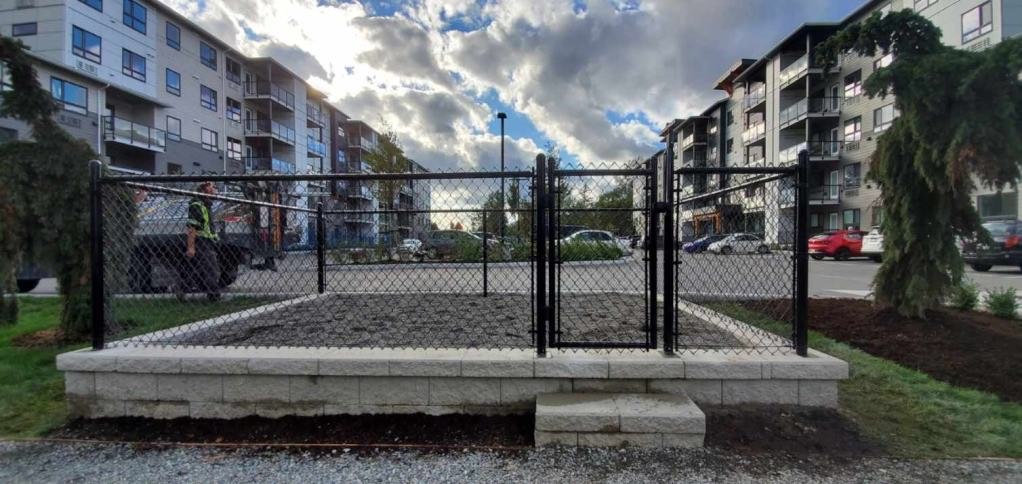
The practical starting point
The first visit works best when the owner can explain the intended result and the uncertainties. You do not need a finished technical design. A clear brief helps the contractor ask better questions and identify what still needs checking.
Explain the purpose first
State whether the priority is a visible boundary, controlled access, privacy or animal containment. Name the day-to-day users and the openings they need. A preferred photograph can help describe appearance, but explain which parts you like rather than assuming the whole assembly suits your property.
Separate known facts from assumptions
Bring available plans and identify uncertain boundary or service information. A contractor’s visit does not automatically establish a legal boundary or settle municipal requirements. Ask what checks or specialist input are needed before work begins, and agree who is responsible for arranging them.
Finish with a written next step
Record the proposed scope, unanswered questions and information needed for a quote. Ask how material choices and site conditions will be documented. Share private address and access information directly with the business. Do not publish those details when asking general questions in a public forum.
Keep this in your brief
- Purpose, users and preferred appearance
- Preliminary route and gate locations
- Known plans and unresolved checks
- Named next steps and quote information
Discuss the actual site and proposed assembly with LS before ordering or changing an existing fence.
Discuss your fence plan