
Build a useful fence handover record
The day a fence is finished is the easiest time to record what was installed. A concise handover file helps the owner operate gates, arrange maintenance and explain a later repair. It should describe the actual completed work.
The practical starting point
The day a fence is finished is the easiest time to record what was installed. A concise handover file helps the owner operate gates, arrange maintenance and explain a later repair. It should describe the actual completed work.
Walk the agreed scope
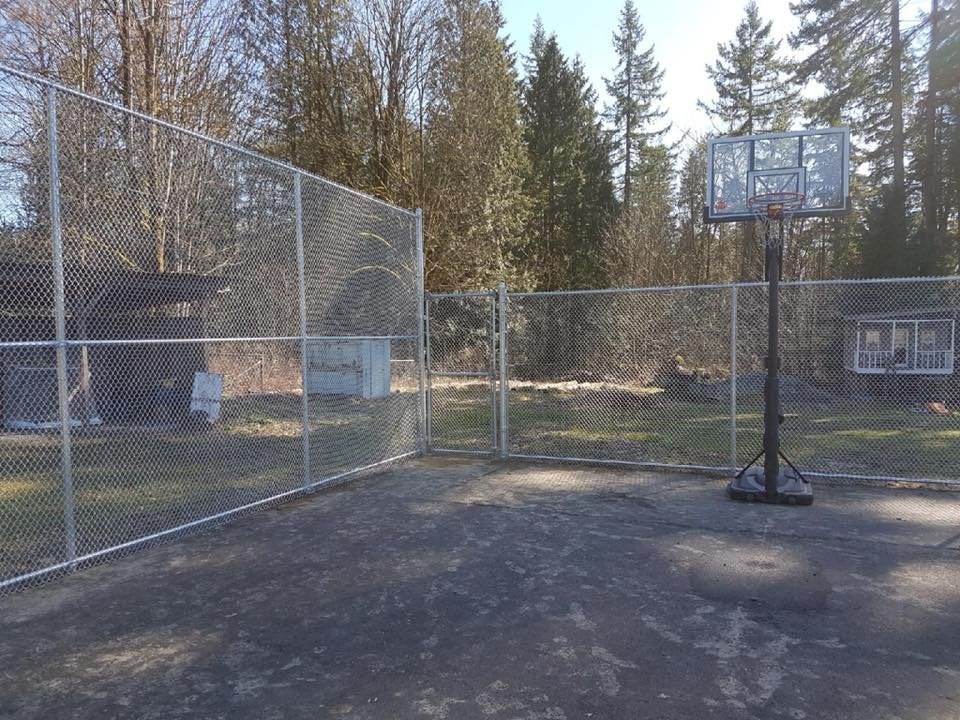
Compare the finished line, openings and retained sections with the accepted plan. Ask about changes made during installation and keep the final record. Photograph the work from useful public-safe angles, without recording private access codes or customer information in a document intended for wider sharing.
Try the everyday tasks
With the installer, operate manual gates through their intended movement and understand the latch. Ask what normal resistance looks like and what should prompt a service call. For powered equipment, obtain the appropriate operating and safety information from the responsible specialist rather than treating a brief fence walkthrough as commissioning.
Keep the details together
Save the material description, finish information, invoices and any written warranty terms actually supplied. Record who to contact and the scope of any maintenance advice. A simple dated photo set is especially useful for shared properties, where the person managing the site may change over time.
Keep this in your brief
- Final scope and approved changes
- Operating instructions and responsible contacts
- Actual supplied warranty and product information
- Dated baseline photographs
Discuss the actual site and proposed assembly with LS before ordering or changing an existing fence.
Discuss your fence plan