
Privacy slats change more than the view
Privacy slats can make chain link feel more enclosed, but adding coverage also changes how the assembly interacts with wind. Treat screening as a design decision rather than an accessory that automatically suits any existing fence.
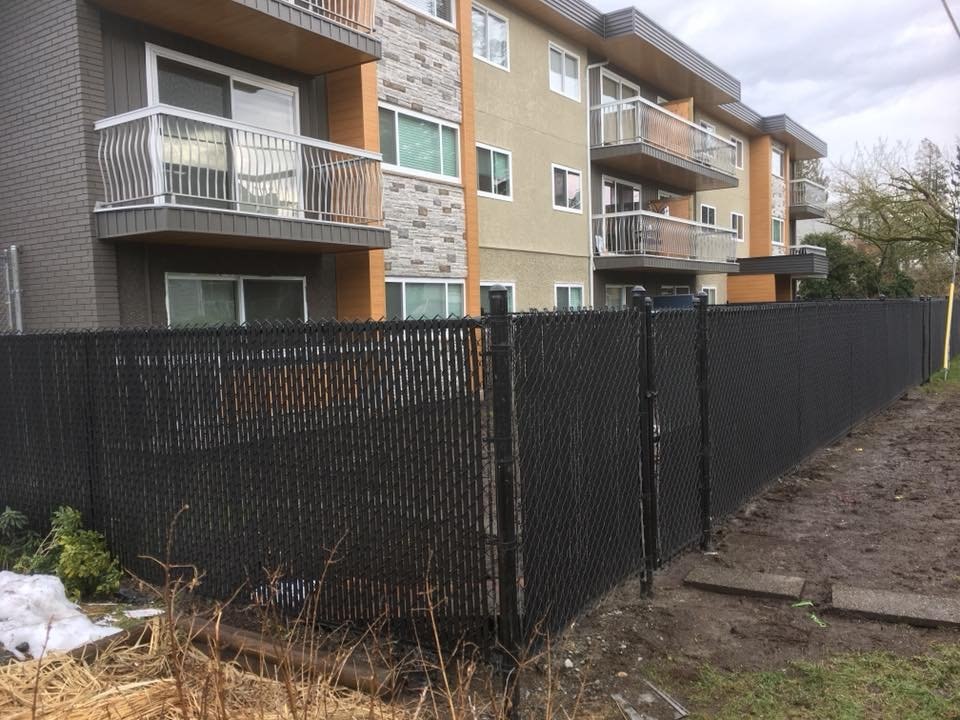
The practical starting point
Privacy slats can make chain link feel more enclosed, but adding coverage also changes how the assembly interacts with wind. Treat screening as a design decision rather than an accessory that automatically suits any existing fence.
Start with the existing structure
For a retrofit, show the condition of the fabric, posts and connections. A fence that is already leaning needs assessment before additional screening is discussed. Photos help with an initial conversation, but they cannot confirm the suitability of hidden footings or the condition of every connection.
Explain the exposure
Describe open areas, corners and places where wind funnels between buildings. Include the proposed screening product and how much coverage is wanted. Ask whether the framework and site conditions suit that proposal. Do not rely on a generic online wind claim as approval for a specific installation.
Compare privacy with daily use
Consider sightlines at vehicle access, supervision of shared spaces and maintenance. A sample panel can help explain appearance and coverage more clearly than a colour name. Confirm the product, colour and any assessment requirements in writing before ordering, and keep that information for later repairs.
Keep this in your brief
- Existing fence condition
- Site exposure and proposed coverage
- Visibility around access points
- Written product and framework assessment
Discuss the actual site and proposed assembly with LS before ordering or changing an existing fence.
Discuss your fence plan