
Three measurements a gate enquiry should explain
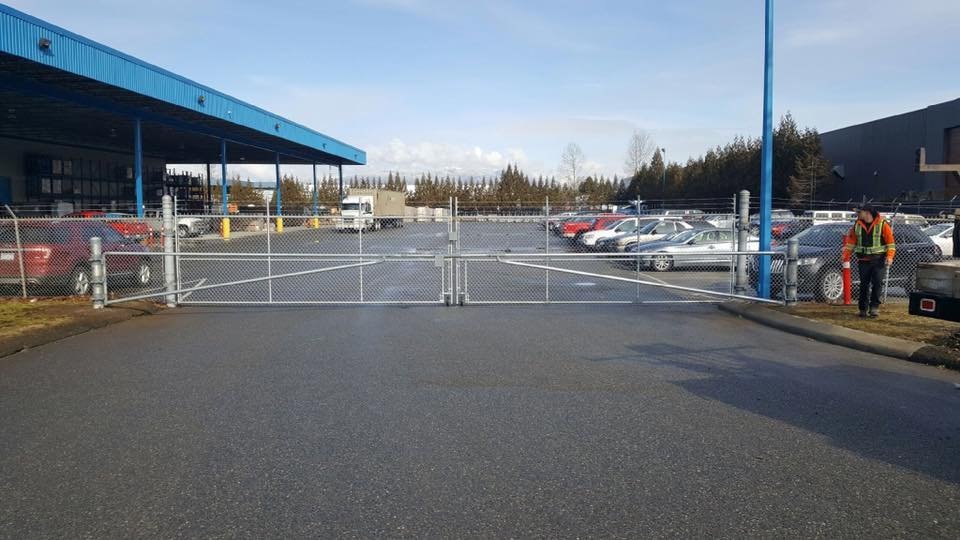
A gate request needs more than a width. The useful opening, the space available for the gate to move, and the ground through that movement all affect the proposal. A few clear photographs help connect those measurements.
The practical starting point
A gate request needs more than a width. The useful opening, the space available for the gate to move, and the ground through that movement all affect the proposal. A few clear photographs help connect those measurements.
Measure the useful opening
Describe what needs to pass through and provide a preliminary clear width between the intended supports. Explain whether the number is a vehicle requirement, an existing opening or a rough estimate. Keep those meanings separate: the overall gate assembly may need more room than the usable opening.
Map the travel space
For a swinging gate, show the area swept by each leaf. For a sliding arrangement, show the available run-back beside the opening. Include parked vehicles, storage and landscaping that may occupy this area. A clear opening on paper can still be impractical if the movement space is used for something else.
Show the ground and the approach
Photograph the approach from both directions and include grade changes, drains and kerbs. Explain how often the gate will be used and by whom. If powered operation is being considered, ask for a separate assessment of controls and safety requirements; do not assume an attractive manual gate can simply receive a motor later.
Keep this in your brief
- Clear opening and intended traffic
- Movement or run-back area
- Ground levels and obstructions
- Manual or proposed powered operation
Discuss the actual site and proposed assembly with LS before ordering or changing an existing fence.
Discuss your fence plan