
Write a pet-containment brief that goes beyond fence height
A yard fence should be discussed around the animal and the household routine. Height is one part of that conversation, but gaps, gate habits and nearby objects can be just as important. No photograph can establish that a fence will contain every pet.
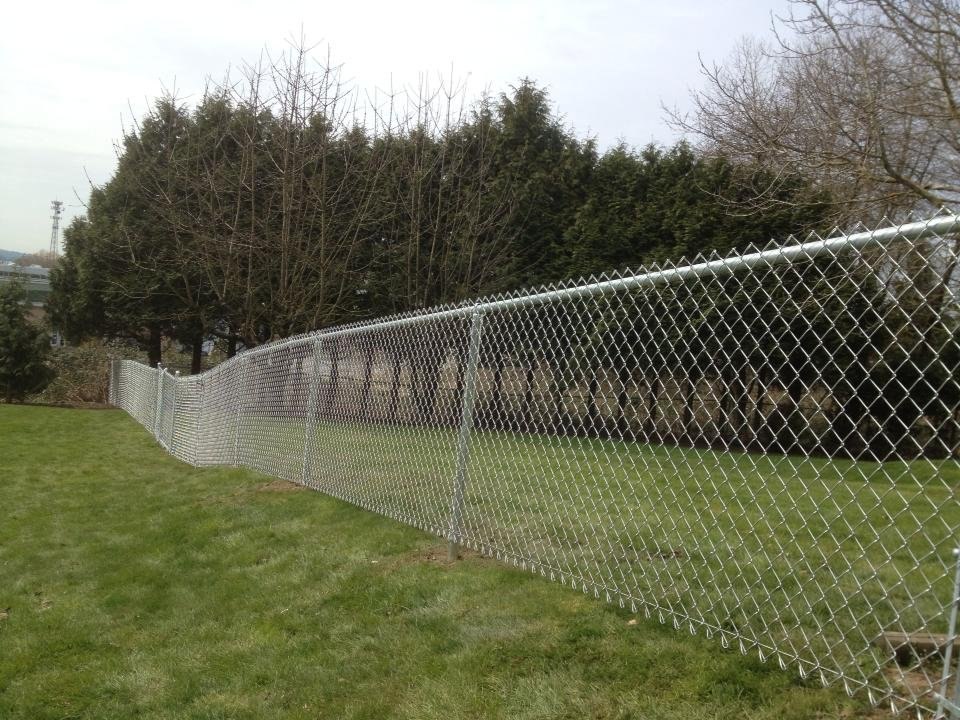
The practical starting point
A yard fence should be discussed around the animal and the household routine. Height is one part of that conversation, but gaps, gate habits and nearby objects can be just as important. No photograph can establish that a fence will contain every pet.
Describe the behaviour
Tell the contractor whether the concern is squeezing, digging, jumping or climbing. Include existing problem locations and any previous escapes. Avoid a vague request for a dog-proof fence; a practical brief explains the behaviour that needs attention and leaves room to discuss limitations.
Follow the whole boundary
Walk the proposed line at ground level. Look at corners, drainage openings, steps, under-deck areas and transitions to existing structures. Identify where furniture or stored material could change the effective height. Keep drainage and access needs visible while discussing ways to reduce gaps.
Treat gates as part of the enclosure
Explain who uses each gate and whether they carry tools, bins or groceries through it. Review latch reach and closing routines with the installer. Inspect the completed boundary before introducing an animal, and continue checking after ground movement or damage. Supervision and regular inspection remain part of responsible use.
Keep this in your brief
- Describe the animal and relevant behaviour
- Flag gaps and climb assists
- Review gate latches and daily routines
- Inspect after landscaping, damage or ground movement
Discuss the actual site and proposed assembly with LS before ordering or changing an existing fence.
Discuss your fence plan