
Chain link, specified clearly.
Understand fabric, framework, openings and finish before ordering a chain-link fence.
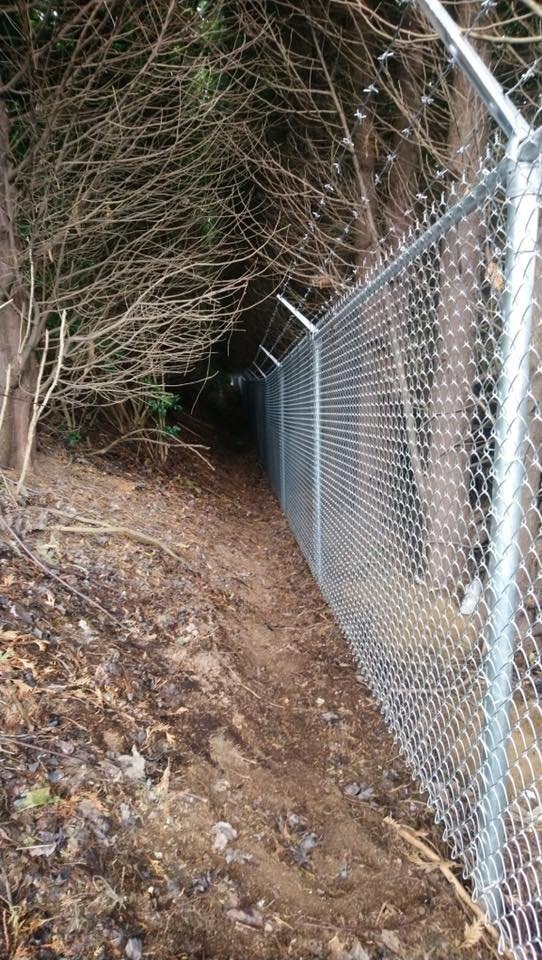
Begin with the boundary’s job
Residential yards, equipment enclosures and commercial perimeters have different needs. Explain the people, vehicles or animals using the space, then review the actual site and material options with LS.
Keep every component visible
Record fabric height, mesh, wire description, framework and fittings. Coating and colour are part of the specification, alongside the ends, corners, gates and ground transitions.
Fabrication supports a complete assembly.
Posts, fittings and gate details belong beside the fabric description. Confirm what is proposed for the actual site.
Read the specification guide ↗Illustrative stock fabrication footage — Pixabay / Pexels. Not an LS project.Read a chain-link specification before choosing a finish
A fence is an assembly, not just a roll of mesh. Two fences can look similar from the road yet use different fabric, posts, fittings and gate hardware. A short written specification gives the owner and installer a shared description of what is being priced.
Explore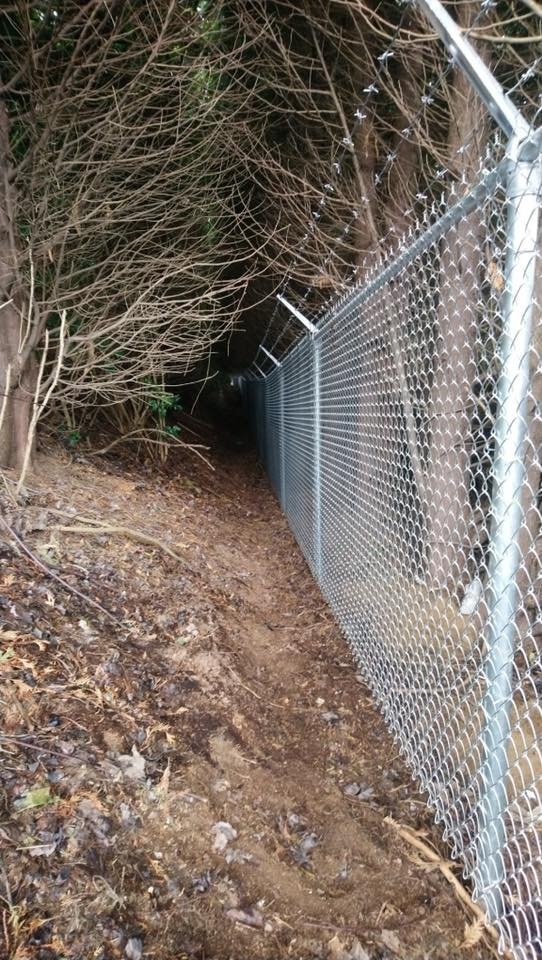
Why the ends and corners deserve their own fence plan
Straight fence length is easy to count. The ends, corners and gate openings need a separate look because they define how the line is laid out and supported. A useful site sketch names these points before materials are ordered.
Explore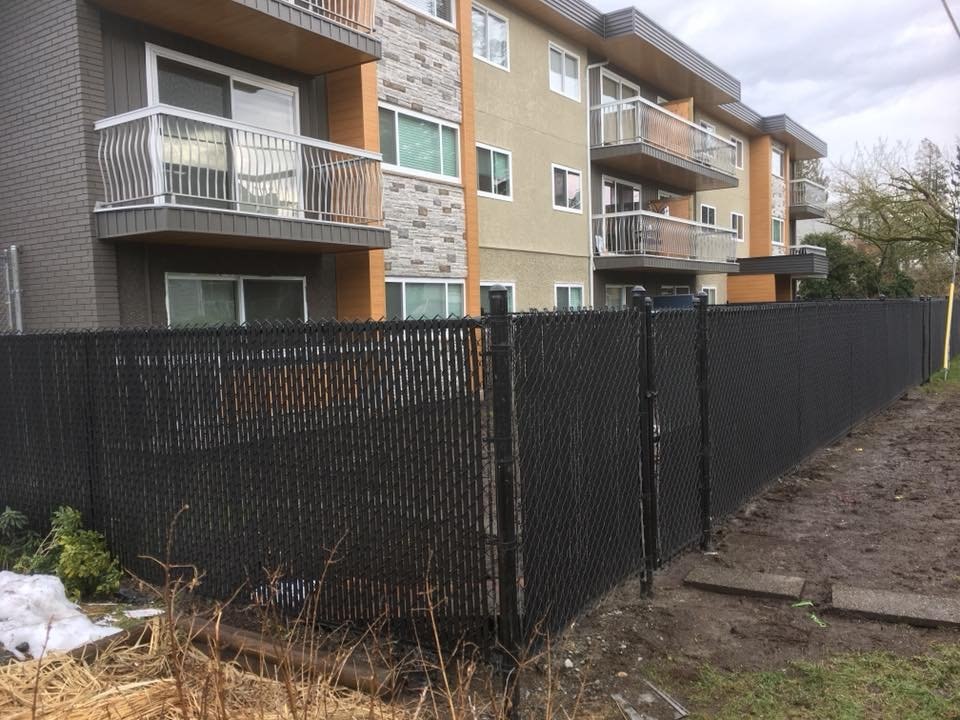
Privacy slats change more than the view
Privacy slats can make chain link feel more enclosed, but adding coverage also changes how the assembly interacts with wind. Treat screening as a design decision rather than an accessory that automatically suits any existing fence.
Explore